• Skip to primary navigation
  • Skip to main content
  • Skip to footer

The Jo Cox Foundation HomepageThe Jo Cox Foundation

  • About
    • About us
    • About Jo Cox
    • Ten Years of Jo Cox’s Legacy
    • Our team
    • Our partners
    • Work for us
    • Diversity and inclusion
    • Get in touch
  • Our Work
    • A Safe and Respectful Democracy
      • Jo Cox Civility Commission
        • Summary of recommendations
      • Civility Pledge
      • Joint statement on conduct of political party members
      • Resources to address abuse in politics
    • Stronger Communities
      • Resource library
      • Event calendar
    • Great Get Together
      • Toolkit
      • School resources
      • FAQs
    • More in Common Network
      • Find a group or partnership
    • Our work in West Yorkshire
    • Loneliness Policy Action Group
  • Support Us
    • Become a partner
    • Leave a legacy
    • Online Store
    • Fundraise
      • Challenge events
  • News
  • Donate

Respectful Politics

Statement on Safety and Security of People in Public Life

July 16, 2026 by Will Fletcher

The murder of Ann Widdecombe, former MP and Reform Spokesperson, has shocked the nation. While the full circumstances and motivations behind this targeted attack are not yet known, it is a profound tragedy for her loved ones and those close to her, and it has also reopened the debate about how we can adequately protect those in public life. 

While there have been many important improvements in the last 10 years to the security and other support that is provided to politicians, their families and their staff, we have always been clear that there is more work to be done.

Violence, abuse, intimidation and harassment continues to be a very real threat to elected representatives and others in public life. No one should have to fear for their safety. Any violence or abuse is utterly unacceptable. It endangers people and their families, and it endangers our democratic life.

We welcome the government’s commitment to review the security offered to MPs, as well as former MPs and others in political life. While this review will rightly focus on the physical security of MPs and former MPs, it should also consider the online harms that they face and the impact on families and staff.

We are also clear that more needs to be done to not only respond to, but to prevent abuse, intimidation and violence. Through The Jo Cox Civility Commission, we have continued to call for a range of changes to prevent abuse, including implementing political and media literacy in schools and across society,  making online spaces safe, and for all those in political life to role model respectful behaviour.

By taking a range of actions across different sectors, including implementing preventative measures, we believe that as a society we can turn the tide of abuse, intimidation and violence in public life. Our goal is to ensure that anyone, regardless of their background or political opinion, can feel safe and respected while participating in public life.
Filed Under: Respectful Politics

Statement on suspected murder of Ann Widdecombe

July 13, 2026 by Will Fletcher

We are shocked and saddened about the suspected murder of former MP and Reform Spokesperson, Ann Widdecombe. Our thoughts have been and remain with her family, loved ones and colleagues.

No one in public life should have to fear for their safety. We completely understand the concern and fear that parliamentarians and all of those in political life may be feeling at this time. This will understandably be heightened by both the news that the investigation is now being led by counter terrorism police, and the overall climate of abuse and threats faced by those in public life.

We will continue to follow the advice and information provided by the police while the investigation is ongoing, including about the circumstances and motivations.

Filed Under: Respectful Politics

Abuse against women in politics is becoming normalised. That may be the most worrying development of all.

March 8, 2026 by The Jo Cox Foundation

Olivia Field, Chief Executive of The Jo Cox Foundation 

Across the political spectrum, women now describe harassment, threats and being followed as “part of the job.” It is not only directed at them – their families are increasingly targeted too.

This normalisation should concern anyone who cares about democracy. This is not only a question of civility. It is about who feels able to stand for office, to speak freely once elected, and to remain in public life. Politicians across the board report self-censoring in debates to avoid triggering abuse. Others decide the toll on their families is too high a price to pay. The result is quieter voices and a smaller, likely less diverse, pool of candidates. 

On International Women’s Day, we should be asking: what does this mean for progress towards a truly representative Parliament? A democracy cannot be fully representative if intimidation shapes who is willing to participate.

For years we have worked towards a 50:50 Parliament – not as a symbolic goal, but because more equal representation improves decision-making and ensures women’s lives are properly reflected in policy. But progress risks being slowed down. When girls see women in high-profile roles relentlessly abused online and offline, the message they absorb is not empowerment, but warning. Over a third of young women and girls surveyed by Girlguiding, said they were put off certain careers – including politics – because of the abuse they see those women receive.

At The Jo Cox Foundation, established after the murder of Jo Cox ten years ago, we have seen that change is possible. Dedicated police support for MPs has expanded. Security costs have been removed from candidates’ spending limits. Guidance has improved. Sentencing for harassment is set to be strengthened through the Representation of the People Bill.

These are important steps. But we need to go further. 

Tackling political abuse requires action across the entire system. Social media platforms must enforce their own rules to prevent online harms, deepfakes, mis and dis-information. Political parties must set and uphold higher standards for members and candidates. The government must ensure the public are equipped with the tools to be politically literate. Law enforcement must continue to treat threats against elected representatives with seriousness and consistency.

If we fail, the consequence may not simply be fewer women in politics. It will be a narrower, less effective democracy.

Ten years after Jo Cox’s murder, we face a choice. We can accept abuse as inevitable, or we can decide that public service should not require personal sacrifice at this scale.

If we want the next generation to see politics as a place they belong, the answer should be obvious.

The theme of this year’s International Women’s Day is “Give to Gain”, so, please give to gain a safer, more representative democracy. 

Donate

Filed Under: Respectful Politics

New Jo Cox Civility Commission recommendations

February 23, 2026 by Hannah Phillips

Abuse and intimidation in politics is threatening democracy in  Scotland, Wales and Northern Ireland new report finds

The Jo Cox Civility Commission’s report, A Renewed Call to Action for the Devolved Nations, launched today, delivers a clear set of recommendations to curb abuse and promote civility in public life in Scotland, Wales and Northern Ireland.

In a big election year, the charity, The Jo Cox Foundation, set up after Jo Cox MP was murdered, warns that the scale of abuse and intimidation in politics is threatening our democracy, citing evidence showing:

  • Many elected representatives report not feeling safe enough to participate in public life fully and freely.
  • Abuse and intimidation are driving politicians away.
  • 75% of Senedd Members and Wales constituency MPs said that there were times they felt unsafe in their role
  • Gender-based online abuse of MSPs increased more than a hundred-fold in a year between 2023 and 2024
  • MLAs have experienced abuse, includIng death and rape threats. 

The report’s recommendations, created in collaboration with a range of elected representatives, government officials and civil society, include calls for:

  • The Scottish Parliament, Welsh Senedd and Northern Ireland Assembly to provide more guidance to elected representatives and their families, and make the institutions more inclusive. 
  • The UK Government to ensure Operation Ford, the new police support for local politicians, is sufficiently resourced. 
  • Political parties to enforce codes of conduct. 
  • All candidates and elected representatives to model good behaviour. 

A Renewed Call to Action for the Devolved Nations builds on the Commission’s first call to action launched in Jan 2024. Since then, progress has been made to address abuse in politics. For example, as a result of the Foundation’s recommendations, the Home Office confirmed the expansion of dedicated resources through Operation Ford – an initiative to strengthen the security and protection of locally elected representatives and candidates. 

Baroness Jan Royall, Chair of The Jo Cox Foundation, said: 

“The importance of addressing violence, abuse and harassment in our politics is underlined this year as we approach the tenth anniversary of Jo’s murder.  We work on these issues not only or primarily because of the way that Jo was killed but because of the values with which she lived. Jo believed passionately in robust debate and diverse representation. We call on everyone across society to take action to address abuse and promote a more respectful, inclusive politics.” 

Rt Hon Elin Jones MS, Llywydd of the Senedd said:  

“I welcome the Jo Cox Civility Commission’s report. It represents an important contribution to a discussion which is central to a healthy political environment and public life in general.

“Regrettably, abuse is now pervasive in our politics, and we all have a part to play in fostering a political culture which places greater emphasis on respect, tolerance, and kindness.

“This is especially important in an election year when politics is in the spotlight and when democratic debate intensifies between parties.  

“The Senedd Elections in May should be an exchange of ideas in which candidates focus on their vision for the future of Wales without resorting to personal attacks. Politicians have a responsibility to help set a positive and respectful tone to political debate. 

“I hope the same will be true of voters who can also play a role in detoxifying social media where politicians have faced horrific abuse including threats of physical attacks or even death threats in some cases. 

“If we all take this duty seriously, we can prevent disagreement from descending into abuse and re-set the focus of our politics onto the issues that matter the most to people’s daily lives.”

Rt Hon Alison Johnstone MSP, Presiding Officer of the Scottish Parliament, said: 

“I very much welcome the Commission’s timely report. In recent years we have seen escalating hostility in political debate – hostility that deters people from getting involved in politics, and particularly those groups who are currently and historically under-represented.

The findings of this report highlight that positive change is possible. By embracing the report’s recommendations, we can help build a political culture rooted in civility, compassion and respectful debate – a democracy where everyone can participate without fear or intimidation.

The importance of constant action to protect and enhance democracy cannot be overstated. With the Scottish election approaching, this work becomes even more important.”

Edwin Poots MLA, Speaker of the Northern Ireland Assembly, said: 

“The report from the Jo Cox Civility Commission highlights that abuse and threats are a growing issue across politics and is an important contribution to the public debate on how to tackle these issues. In Northern Ireland, there has been a significant step change in activity and cooperation between the PSNI, Assembly Commission, Electoral Commission and the Electoral Office.

“In the past year, representatives from all political parties have shared horrific examples of their experiences. Many people will be deterred from entering politics to protect themselves, their family and their mental health. There is also a risk that we overcompensate against vile abuse by curtailing the legitimate passionate debate and scrutiny which are an essential part of parliamentary business. We must therefore all resist accepting despicable, nasty and threatening personal abuse as an inevitable part of politics.”

Sir Lindsay Hoyle, Speaker of the House of Commons, said: 

“I welcome this report from the Jo Cox Civility Commission building on its first Call to Action report in 2024 and focussed on the devolved nations. Freedom of speech is a cornerstone of our democracy, and the ability to engage in robust debate must always be protected but that must happen within the bounds of the law – never through intimidation or violence. The abuse of elected representatives across the United Kingdom is unacceptable and we must continue to work together to ensure an aggressive minority does not undermine the vibrant democracy we are privileged to have in this country”.

Vijay Rangarajan, Chief Executive of the UK Electoral Commission, said: 

“Addressing the abuse and intimidation of candidates and elected officials is crucial to safeguarding individuals and their families as well as protecting the health of our democracy. Well-run elections require candidates to engage freely with voters without fear for their safety. Addressing this issue requires coordinated action by the UK’s governments, regulators, police, and parties at all levels.

“The Electoral Commission is working across England, Wales, Scotland and Northern Ireland to improve the safety of candidates, from our education programmes 

and joint work with police forces across the country, to updating the campaigning code of conduct for political parties and campaigners. Ahead of the elections in England, Wales and Scotland this May, we are ensuring candidates have access to clear, practical guidance so they can campaign with confidence.” 

Dan Jarvis MBE  MP, UK Minister of State for Security said: 

“Abuse of politicians is corroding our democracy, silencing voices, and discouraging people from standing for office. Left unchecked, it will have a chilling effect on our politics. 

“I welcome this call to better protect elected representatives in Scotland, Wales and Northern Ireland, and will continue driving forward our work across government to this end – expanding police support and introducing new laws to deter this behaviour.

“Working with valued partners like the Jo Cox Foundation, we are making clear that we are stronger when we work together, than when division drives us apart.”

Councillor Lis Burnett, Llywydd, Welsh Local Government Association (WLGA) said: 

“The WLGA welcomes this important report by the Jo Cox Civility Commission. Very sadly, councils across Wales are seeing more and more cases where councillors are subjected to threats, intimidation and abuse. This behaviour has no place in our democracy and it’s having a real impact on people who simply want to serve their communities.

“The WLGA has been calling for greater civility in public life for many years, and the Commission’s work reinforces just how important this is. Their updated recommendations for the devolved nations will help strengthen the support available to councillors and highlight where further action is needed.

“Local democracy only works when people feel safe to speak up and step forward. We fully support the Commission’s message that we have more in common than divides us, and we remain committed to working with councils and partners across Wales to promote respect, protect elected members, and help build a healthier political culture.”

Councillor Shona Morrison, President, Convention of Scottish Local Authorities (COSLA), said: 

“COSLA welcomes A Renewed Call to Action for the Devolved Nations and strongly supports the Jo Cox Foundation’s continued leadership in shining a light on abuse, intimidation, and harassment in public life. 

“This report’s recommendations offer an important and timely framework for how councils, local government associations and partners can work together to protect everyone who serves our communities.

“Across Scotland, we are seeing a troubling rise in threatening and abusive behaviour directed at councillors and public servants. This is unacceptable. No one should face violence, harassment or intimidation for doing their job or representing their community.

“We fully endorse the report’s call for a holistic, preventative approach – one that strengthens standards, promotes civility, and ensures that individuals feel safe, respected, and able to participate in local democracy.

“COSLA is committed to working with our member councils and partners to implement practical measures that uphold these principles and foster a healthier public sphere. The safety and wellbeing of all those in public service must remain a shared priority.”

Councillor Billy Webb, President, Northern Ireland Local Government Association (NILGA), said: 

“I warmly welcome these recommendations, which represent an important step toward strengthening safety, respect, and democratic participation across local government. Councillors work tirelessly on behalf of their communities, and they deserve to carry out that work free from abuse, intimidation, or fear. By improving risk planning, embedding a culture of civility, and ensuring robust wellbeing and security supports, we create a system that not only protects elected representatives but also safeguards the health of our democracy. NILGA is committed to working with councils and partners across all jurisdictions to put these principles into practice.”

The full report and recommendations are available at www.jocoxfoundation.org/commission 

The summary of recommendations from both reports has also been translated into Welsh and will be available on the website.

About the Jo Cox Civility Commission 

The Jo Cox Foundation wants anyone, regardless of their background, to feel able to participate in our political discourse and be treated with respect.

The Foundation launched the Jo Cox Civility Commission in February 2023 to find and advocate for the implementation of practical, cross-sector  recommendations to address the problem of violence, abuse and intimidation of elected representatives on national and local levels, across the nations and regions of the UK. 

In January 2024 we launched our first Call to Action with 28 recommendations and earlier this year shared a short progress report. In 2026, we are launching the second Call to Action with recommendations for the devolved nations

Our long-term vision is a political culture in which diversity is celebrated and robust debate brings us closer in the spirit of Jo’s message that “we are far more united and have far more in common than that which divides us.”

About The Jo Cox Foundation

The Jo Cox Foundation makes meaningful change on issues that the late Jo Cox MP was passionate about. The charity works in two areas: nurturing stronger communities and championing respect in politics. Underpinning this work is the understanding that we have more in common than that which divides us. Jo Cox was murdered on 16 June 2016 in the place she loved – Batley and Spen – doing the work she loved, as an MP on behalf of her constituents.

Filed Under: Respectful Politics

The democratic impact of digital abuse towards women in politics

November 25, 2025 by Hannah Phillips

“It’s part of the job” says yet another woman politician on her experiences of receiving digital abuse – from sexist slurs to ‘deep fakes’ to rape and death threats.  

As part of my work at The Jo Cox Foundation, I hear from politicians at all levels of government across the UK and the world about their experiences of abuse.  We campaign to address violence, abuse, harassment and intimidation towards all elected representatives through the Jo Cox Civility Commission. 

We work to address such abuse not only because of the way Jo was killed – while carrying out her public duties as a MP – but because of the values by which she lived. Jo believed passionately in robust political debate and a representative, gender-equal democracy. We believe that abuse in politics harms democracy. 

While abuse can and does impact anyone in public life, growing evidence shows that the nature and impact of abuse towards women is distinct. Women are often attacked because they are women with the intention and/or effect of limiting women’s political participation. 

The stories I hear from women about their experiences are reflected in a growing body of research about the prevalence and nature of gendered digital abuse. A recent Westminster parliamentary survey found that 96% of current MPs have personally experienced threatening behaviour, with threats of sexual violence disproportionately experienced by women and disabled MPs. In a 2025 survey , 84% of women councillors in England and Wales reported experiencing abuse or intimidation. Between 2023 and 2024, abuse towards women Members of the Scottish Parliament increased more than a hundred-fold. Even so-called ‘low-level’ incidents and  “digital microaggressions” can be harmful because they normalise abuse. 

Studies in other countries tell a similar story. The Inter-Parliamentary Union’s (IPU) research regularly finds that a high number of women parliamentarians across the world experience abuse.  A 2024 study of Italian politicians found that women were targeted more than men, even when they made the same decisions. A New Zealand study using a 2022 survey found that 98% of MPs had experienced harassment with women more likely than men to face most forms of abuse, including being twice as likely to receive death threats.

Such abuse can impact women’s ability to fully and freely participate in politics. Necessary efforts to deal with abuse – from reporting to social media platforms and implementing security precautions – take up time and resources. In a political environment where abuse is expected, women may ‘self-censor.’ Research carried out by academics and the UK Electoral Commission find that many women candidates avoid certain political activities, such as participating in hustings or discussing certain issues.  Abuse clearly affects these individuals and groups, but it also impacts their professional and personal networks, and ultimately undermines the functioning of the wider political ecosystem. 

Diverse political representation strengthens democracies. Study after study shows that better policy decisions are made when political institutions are inclusive of women leaders. Progress towards gender-equal political participation is not guaranteed. Even if current rates of progress are maintained, the UN estimates that gender parity in national legislative bodies globally will take another 38 years and another 130 years for gender parity among heads of state. Here in the UK, the campaign group 50:50 Parliament recently warned that if current opinion polling is translated into seats in the next General Election, the number of women in parliament could fall for the first time in 100 years. 

Digital abuse risks further undermining efforts for equal political representation. Women, especially those with disabilities or from ethnic minority backgrounds are already chronically under-represented in politics and are disproportionately impacted by abuse.  With the rise of abuse in public life, we as a society risk further marginalising women and creating a politics in which only certain demographic groups feel comfortable participating. This lack of diversity would damage the integrity of our political institutions.  In order to strengthen our democracy, we must address digital abuse towards women in politics.

“It shouldn’t be part of the job” is also what many women tell me when they share their experiences of abuse. We believe that we can change political institutions to address abuse and strengthen democracy.  And we are not alone.

Globally, addressing digital abuse, including in political spaces is increasingly seen as a priority. Today, 25 November, is the International Day for the Elimination of Violence Against Women and this year’s theme calls on unity to end digital abuse. The 16 Days of activism calls on individuals, civil society and governments to unite to address digital abuse towards women.

Since we launched the Jo Cox Civility Commission in the UK, we have seen important progress to tackle abuse in politics. Coordination is improving across the Government through the Defending Democracy Task Force. Each local police force now has a specific officer responsible for supporting local politicians, building on the structure to protect MPs, with increased training for police officers to deal with digital harms. The UK Online Safety Act is being implemented to address digital harms. 

Dealing with online abuse must not only be the responsibility of individuals. Addressing this problem demands organisational action and societal culture change. Efforts to address digital abuse in politics must be accompanied by efforts to make political  institutions more equal, such as the ongoing implementation of the Scottish Parliament’s Gender Sensitive Audit. 

We continue to make comprehensive but achievable recommendations to a range of institutions including political parties and local governments. Many aspects of our call to action are shared by other organisations including the  Electoral Commission, campaign groups like Centenary Action,  Elect Her and the Online Safety Act Network, academics including Susan Watson in a recent book on the topic, and the UK Parliament’s Speakers Conference on the security of candidates, MPs and elections. 

We believe that digital abuse need not be inevitable. We can work towards a society and politics in which diversity is celebrated and everyone can freely and safely participate in public life in the spirit of Jo’s message that we have “more in common than that which divides us.”

Filed Under: Respectful Politics

A Renewed Call to Action to Address Abuse in Politics in Scotland, Wales and Northern Ireland

September 4, 2025 by Will Fletcher

The Jo Cox Civility Commission advocates for the implementation of recommendations to address the problem of violence, abuse and intimidation of elected representatives on national and local levels, across the nations and regions of the UK. 

In January 2024 we launched our first Call to Action with 28 recommendations. Since then, the main areas of progress have been in police and security. A new dedicated police resource – Operation FORD – for local government representatives has been implemented. The 2024 elections were the first in which security costs were exempt from election spending limits – and the Scottish and Welsh governments have both announced that the same provision will be in place for the 2026 elections. 

While our recommendations are applicable to all levels of government, we know that the devolved nations may have particular issues when it comes to abuse in politics and, crucially, specific powers to promote respectful politics. We are creating a specific Call to Action to address abuse in politics in Scotland, Wales and Northern Ireland, which will be launched in January 2026. Over the coming months, we will engage widely to create specific recommendations to safeguard democracy for all. 

Abuse and intimidation impacts the functioning of our democracy. Politicians may avoid certain political activities and policy discussions. People who would make excellent changemakers may be put off participating in politics because of abuse. All of these impacts are particularly disproportionate on women and others already under-represented in our democracy – groups of people whose participation makes our democracy more representative and, therefore, stronger. 

Growing evidence indicates that abuse towards elected representatives is becoming – or perhaps already has become – a ‘normal’ part of politics. Some recent figures: 

  • The Electoral Commission found that over half of 2024 election candidates who responded to its survey felt they had some kind of problem with harassment, intimidation, or abuse. Female respondents and respondents from ethnic minority backgrounds more likely to report having experienced serious abuse.
  • In the latest LGA Debate Not Hate survey, 70% of councillors in England and Wales reported experiencing abuse or intimidation in the last year. This number was higher for women and those from ethnic minorities (84%) and for the LGBT+ councillors and disabled respondents (85%). 
  • Three quarters (75%) of the Senedd Members and Wales constituency MPs who responded to a ITV Cymru Wales survey in 2024 said that there were times they felt unsafe in their role. 
  • According to Scottish Parliamentary Corporate Body (SPCB) data, gender-based online abuse of MSPs increased more than a hundred-fold in a year between 2023 and 2024 
  • Earlier this year, politicians in Northern Ireland spoke to the BBC about the extent of abuse, including death and rape threats against themselves and their children.

Clearly, more action is needed to address abuse and change culture. Collaboration and partnership is key to safeguarding our democracy. We are pleased to have forged and continue to develop strong partnerships across different sectors and across the political spectrum. 

Recently, we have visited The Scottish Parliament, the Northern Ireland Assembly and the Senedd to meet with a range of partners to discuss existing progress and much-needed change. Shared challenges include limited action by social media companies to address abuse on their platforms, and the impacts on staff and families of elected representatives. Shared opportunities include increases in cross-border collaboration to fight crime, and broader  cross-sector willingness to address abuse and promote respectful and diverse political culture. 

Over the coming months, we will continue to engage and collaborate widely to create practical recommendations that bring us closer to our long-term vision of a political culture in which diversity is celebrated and robust debate brings us closer in the spirit of Jo’s message that “we are far more united and have far more in common than that which divides us.”

If you would like to help shape the recommendations for the ‘Jo Cox Civility Commission Call to Action to Address Abuse in Politics in Scotland, Wales and Northern Ireland’, please email [email protected]. 

Filed Under: Respectful Politics

Jo Cox Civility Commission: marking the first anniversary of our call to action

January 24, 2025 by Will Fletcher

Abuse and intimidation of our elected representatives – including violence towards them – is one of the biggest threats to our democracy in the UK. Because of this, we launched the Jo Cox Civility Commission in February 2023 to identify implementable solutions to address abuse and to promote civility in our politics.

A year ago today, we launched the Call to Action with our 28 recommendations for how to tackle abuse and intimidation of elected representatives. Today we are publishing a new progress report, outlining where change has taken place in response to our call for action, and highlighting where further action is needed to address abuse in our democracy.

This report shows the significant progress that has already been made, and out of our 28 recommendations, there are seven that have been fully adopted and a further 12 that are in progress to being adopted.

Collaboration and partnership has been key to achieving this progress towards making our politics safer. We are pleased to have forged strong partnerships with many organisations across different sectors, and have worked particularly closely with the Home Office’s Defending Democracy Taskforce, the Local Government Association (LGA), the Parliament Security Department (PSD), the Fawcett Society and Centenary Action.

We are also pleased to have had engagement across the political spectrum to improve respect between and within political parties.

It is clear that there is still a long way to go. The recent elections indicated how common abuse now is and the impact that it is having on the way that people engage with politics.

As well as continuing our work to secure the adoption of all 28 recommendations, it’s important to recognise that these recommendations are themselves only a starting point and only part of the solution to the problem of abuse towards elected representatives.

The recommendations are not designed to be a ‘box ticking exercise’. In fact, some of them are inherently challenging to measure. The point is not for us to congratulate ourselves that our recommendations have been achieved. The aim is for a safer and more inclusive politics, where abuse is no longer normalised as part of participation.

Achieving such large scale culture change and effectively addressing the root causes of abuse and intimidation will take considerable time and effort. 

We cannot make further progress without your support. Please consider supporting our vital campaigning with a donation, so that we can continue our work and move us closer to ending abuse and intimidation in politics. Thank you.

Featured Page

Jo Cox Civility Commission

Abuse and intimidation of our elected representatives – including violence towards them – is one of the biggest threats to our democracy in the UK.  Run by The Jo Cox…

Read more

Filed Under: Respectful Politics

Blog: When does political debate cross the line into abuse and intimidation?

October 3, 2024 by Will Fletcher

By Hannah Phillips
Hannah is The Jo Cox Foundation’s Civility Commission Manager. Hannah is a policy and research professional who has worked on local, national and international levels including at the London Borough of Lambeth Council, the UK House of Commons and the United Nations. In addition to her work at the Foundation, Hannah is a DPhil (PhD) Candidate at the University of Oxford where she examines how the phenomenon of abuse towards elected representatives has been politicised as a policy problem in the UK.

During the course of our work on The Jo Cox Civility Commission we are often asked where the line lies between robust political debate and abuse. We remain clear that a healthy democracy has debate, disagreement and different opinions at its heart, but that doesn’t need to tip over into personal insults and intimidatory behaviour.

In our work, we follow the lead of the Local Government Association who have a clear definition of the meaning of abuse and intimidation. Abuse constitutes physical, verbal or psychological acts that violate an individual’s human rights. Intimidation is defined as behaviour intended or likely to block, influence or deter participation in public debate, or causing alarm of distress that could lead to an individual wanting to withdraw from public life.

Based on these definitions, we are not saying that behaving ‘impolitely’ necessarily constitutes abuse. Politics is full of emotive and sensitive topics that people have strong feelings on. Robust debate and protest is important. In a healthy democracy, people should be able to openly scrutinise and criticise policies and decision-making – whether via social media, by writing to their MP, or attending protests. They should also be allowed to peacefully protest outside Parliament and political offices.

However, behaviour can go too far and quickly veer into abuse and intimidation. We often hear comments that politicians just need to have a ‘thicker skin’. While we agree that disagreements and scrutiny are an essential part of political life, there are certain behaviours that are unacceptable. This includes when criticism is made of the person, rather than the policy, especially if that includes discriminatory language or refers to physical appearance.

The culmination of what might be deemed ‘low-level’ abuse can take a significant toll. While an individual might fire off a single ‘mean Tweet’, the politician might have received hundreds of similar messages day in and day out, and this culmination can feel very intimidatory.

Nearly half (47%) of women candidates avoided discussing controversial topics to keep themselves safe

Research by The Electoral Commission

This abuse is a problem because it impacts participation in democratic life. It causes politicians who are already in office to step down, and is off-putting for those who might otherwise put themselves forward to serve. It also means politicians adjust the issues they speak about for fear of abuse. Recent research by the Electoral Commission showed that nearly half (47%) of women candidates avoided discussing controversial topics to keep themselves safe.

As well as the impact on politicians and would-be politicians, the volume of communications and abuse is felt by staff and families. Politicians’ staff are often the ones who first read the communications sent to politicians. A recent study showed half of MPs’ staff suffer from clinical levels of psychological distress. Families of elected representatives are often the ones at home who might have to deal with intimidatory behaviour.

One of the the challenges with that is often raised in relation to this issue is the role that politicians themselves play in abuse. We strongly believe that elected representatives must set an appropriate tone, and one of our recommendations is that politicians must model good behaviour. But it’s on all of us to change the tone of discourse, and to ensure that we can value robust debate, but centre the need to disagree agreeably.

Find out more about the recommendations of The Jo Cox Civility Commission here.

Featured Page

Jo Cox Civility Commission

Abuse and intimidation of our elected representatives – including violence towards them – is one of the biggest threats to our democracy in the UK.  Run by The Jo Cox…

Read more

Filed Under: Respectful Politics

Jo Cox Civility Commission: making progress on our recommendations

September 18, 2024 by The Jo Cox Foundation

By Hannah Phillips
Hannah is The Jo Cox Foundation’s Research and Policy Manager, leading the work of the Jo Cox Civility Commission. Hannah is a policy and research professional who has worked on local, national and international levels including at the London Borough of Lambeth Council, the UK House of Commons and the United Nations. In addition to her work at the Foundation, Hannah is a DPhil (PhD) Candidate at the University of Oxford where she examines how the phenomenon of abuse towards elected representatives has been politicised as a policy problem in the UK.

Run by The Jo Cox Foundation, the Jo Cox Civility Commission campaigns to address abuse and promote civility in our politics. In January, we launched our call to action, with 28 recommendations that, if implemented, will make a difference in our democracy.

Since we launched the Civility Commission Call to Action in January 2024 we have worked hard to make progress on this vital issue:

  • We’ve advocated for the recommendations, making strong and sustained progress on their implementation.
  • We were a vital voice on the issue of civility during the May and July elections, including joining forces with the Electoral Commission to call for a civil general election campaign.
  • We’ve raised awareness of the issue by speaking at events and in the media.
  • We’ve worked in partnership with key stakeholders, liaising closely with the Home Office’s Defending Democracy Taskforce, the Parliamentary security team, and the Local Government Association.

Our recommendations are only a starting point and a part of the solution to the problem of abuse towards elected representatives. We want to be part of a broader culture change in politics where abuse across the spectrum is no longer normalised as part of political participation.

Our long-term vision is a political culture in which diversity is celebrated and robust debate brings us closer in the spirit of Jo’s message that “we are far more united and have far more in common than that which divides us.”

You can read more about all that we’ve achieved since launching the Civility Commission Call to Action in our update report below.

Civility Commission update – September 2024Download

Filed Under: Respectful Politics

Blog: Reflections on the 2024 General Election campaign

July 3, 2024 by The Jo Cox Foundation

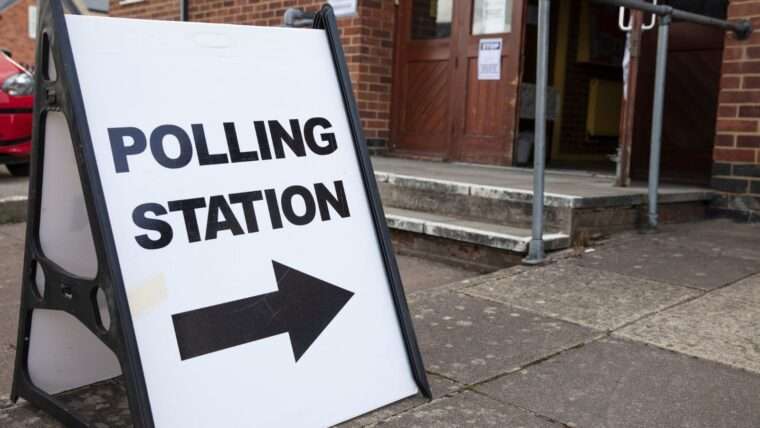
Photo of polling station sign

Since Rishi Sunak’s announcement of the July election, it’s been our aim at The Jo Cox Foundation to raise awareness of the issue of abuse during campaigning times and advocate for a civil election. It has been a busy and eventful six weeks, and we have been asking ourselves the question: Is politics in a better or worse place than when the election was called?

To look first to the positives, there are three particular things that we have noted:

  • The huge push to encourage more people to register to vote has been a real success. Youth democracy charity My Life My Say have reported that since the General Election was called on 22 May, 2,898,265 people have applied to register to vote. Of those who registered, 744,631 are under 25. Why is this so important? Check out our earlier blog on this topic.
  • Multiple candidates have spoken about the importance of civility in politics, and we’ve seen politicians from different parties being vocal in condemning abuse and attacks against others. No matter your political beliefs, we should all condemn the intimidation of politicians, and we thank those candidates who have taken the Civility Pledge in a commitment to a respectful campaign.
  • Though there have been incidents of abuse, which we explore in more detail below, we’ve heard a lot of anecdotal evidence from people who have been out canvassing for different parties that the tone on the doorsteps has been broadly civil. Elections are a unique time with lots of opportunities to engage with politicians, and the best way to do this is through conversation, not abuse, so this is positive to hear.

However, there have been some worrying developments over the course of the campaign, including:

  • Candidates and activists have experienced abuse on the campaign trail, including the objects being thrown at Nigel Farage, an attack on Stella Creasy’s office and a physical assault on a volunteer. Racist insults about Rishi Sunak by a Reform Party canvasser also highlight the heightened abuse levelled at candidates from minority ethnic backgrounds, as well as the impact of abuse on politicians’ families.
  • A number of candidates have cancelled hustings appearances because of fears for their own safety. Election times are a fantastic opportunity for the public to engage with their candidates, probe them on their policy positions, and have an informed opinion about who to vote for. When candidates can’t participate, everyone loses.
  • While we celebrate voter registration, there has been a real sense of voter apathy around this campaign which underlines the relevance of several key recommendations from the Jo Cox Civility Commission. Firstly, politicians need to model good behaviour in order for the public to trust them. Repeated reports of candidates having to be removed from the ballot further undermines trust, and show there’s more work to do on our recommendation the candidate screening needs to be improved. We also believe political literacy needs to improve so everyone can understand the responsibilities of different elected representatives and how they can use their voice to bring about change.

So to answer our original question about the impact of the election on the state of political life in the UK, it’s clear that abuse and intimidation is still a major issue for candidates to contend with and that more should be done to build trust and engagement between politicians and the electorate. We will be urging the incoming government to implement the relevant Jo Cox Civility Commission recommendations to ensure that we can change our politics for the better. 

So, with election day upon us, the most important thing we can do is urge you to make your voice heard and vote. 

On 4 July, polling stations are open from 7am to 10pm, and remember that you need to take photo ID with you. 

  • Find out about your local candidates and where your polling station is
  • Check the photo ID requirements
Featured Page

A Safe and Respectful Democracy

We want anyone, regardless of their background, to feel able to participate in our political discourse and be treated with respect. In particular, we seek to end the abuse and…

Read more

Filed Under: Respectful Politics

Blog: What do we mean by respectful politics and why does it matter?

June 26, 2024 by The Jo Cox Foundation

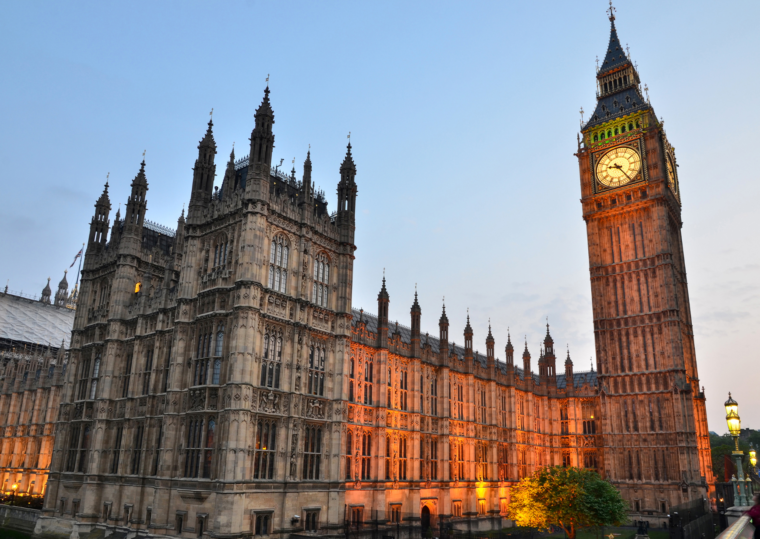
Photo of UK Parliament building

When we talk about the Jo Cox Civility Commission or our work more broadly on respectful politics, we sometimes find ourselves having to clarify what this looks like in practice and why this work is so important. Some people may think that when using the word ‘civility’ or talking about respectful politics, we think that ending political abuse is as simple as being a bit nicer to politicians and refraining from publicly disagreeing with them. However, that’s not the case. We strongly believe that robust debate and scrutiny of decision-making is essential in a healthy democracy. The main aim of our work on the Jo Cox Civility Commission was to find practical ways to tackle the abuse and intimidation of elected representatives, while also preserving the importance of strong political debate. In the run-up to a General Election, this is even more vital.  

What we do want to make clear is the severity of abuse and intimidation. At its most serious, abuse on social media takes the form of death threats, threats of sexual violence and threats against family members. But it’s not just on social media. Abuse and intimidation often also manifests in-person, with issues such as destruction of property, stalking, and physical assault. 

When explaining exactly what we mean by abuse and intimidation, we use the following definitions from the Local Government Association:

Abuse:

a single act or repeated physical, verbal, or psychological acts that violate an individual’s human and civil rights.

Intimidation:

words and/or behaviour intended or likely to block, influence, or deter participation in public debate or causing alarm or distress which could lead to an individual wanting to withdraw from public life.

These definitions demonstrate the seriousness of this problem and why it’s so important that we take steps to tackle it so that candidates and elected representatives are able to participate in the democratic process safely. Building respectful politics means ending the abuse and intimation that discourages so many from entering political life, and particularly impacts diverse representation.

We also recognise that candidates and elected representatives themselves have an important role to play in setting the tone of debate. The public cares about how candidates behave. In 2022, we found that over half of people said they would be less likely to vote for a political candidate who spoke insultingly about others in the running. That’s why we’ve been encouraging candidates to take the Civility Pledge ahead of this election. An important part of the Pledge is that it asks candidates to commit to behaving with respect towards others, including those that they don’t agree with. With more public debates and hustings events taking place in the days that lead up to the election, we urge candidates to focus on the issues that candidates care about, and not criticising or abusing their opponents.

The recommendations of the Jo Cox Civility Commission also emphasise the importance of civil debate. One area we’ve specifically emphasised is political literacy, and we remain convinced that better political education can lead to better politics in this country. If people understand more about how politics works, and how it can work for them, we can raise the tone of debate, and ultimately all benefit. Jo Cox herself didn’t shy away from political debate, but she also understood that politics is as much about finding allies to achieve common goals as it is about combative debate in the House of Commons. 

Abuse and intimidation of our elected representatives – including violence towards them – is one of the biggest threats to our democracy in the UK.

In the run-up to the 2024 General Election on 4 July, we are urging candidates to commit to running a respectful campaign by signing and sharing the Civility Pledge. Through the election and beyond, we are also campaigning for the implementation of our Jo Cox Civility Commission recommendations to ensure abuse has no place in politics.

Filed Under: Respectful Politics

Blog: How to engage with your parliamentary candidates in this election

June 20, 2024 by The Jo Cox Foundation

The General Election is just two weeks away and this election period is a great opportunity to raise issues we care about with the people who will soon form the new UK parliament. This is one of the best times to speak to your future MP, so we’re sharing some advice on how to get in touch with and be heard by your local candidates.


Who are my candidates and how do I contact them?

Photo of ballot papers

Some candidates might drop leaflets through your letterbox or even come and knock on your door, but the best and easiest way to find out who all your local candidates are is to visit the website Who Can I Vote For? and enter your postcode.

You will find a full list of candidates with links to their websites and ways you can contact them (such as via email or social media). You may wish to write your own letter or email to candidates, which can include asking them to commit to doing something about particular issues.

At the Jo Cox Foundation, we are asking candidates to sign our Civility Pledge and commit to setting a more respectful, civil and compassionate tone in politics. We are seeing the shocking impact of abuse towards elected representatives and candidates, many of whom have experienced abuse such as threats to themselves or family members. Unfortunately, research from the Electoral Commission in 2023 indicates that abusing elected representatives is increasingly deemed to be acceptable, with 75% of those who are 75+ saying that verbally threatening an MP in public is totally unacceptable, compared to just 32% of 18–24-year-olds.

Through the Jo Cox Civility Commission, we are advocating for a range of recommendations to address abuse and intimidation in politics. Some of these recommendations relate to the vital role politicians themselves have to play in setting the tone of political discourse and modelling appropriate behaviour, which is why we are asking parliamentary candidates to sign up to the Civility Pledge and demonstrate the importance of running a respectful campaign in the run-up to this election. 

What if I want to speak directly to candidates?

You may want to consider attending a local hustings event. Hustings are events where all the candidates come and debate certain issues and answer questions from the audience. They are usually organised by local community or faith groups and you can find out about them by checking local Facebook or other social media pages, by searching your area or constituency name and looking at posters in local public spaces such as libraries, supermarkets, and community spaces. Going along to a hustings gives you the opportunity to ask questions yourself or just hear directly from candidates and meet them in-person.

Whichever way you choose to engage with your parliamentary candidates, by email, social media or at a hustings or other public event – this is a crucial opportunity to put the issues that matter to you and your community on the agenda of whoever will be your next MP.

Ask your candidates to sign the Civility Pledge

If you’re getting in touch with local candidates and, like us, want to see a respectful election campaign, why not ask them to share their commitment to this by signing the Civility Pledge? By signing, candidates agree to:

  1. Use a civil and constructive tone in debate
  2. Act with integrity, honesty and compassion
  3. Behave respectfully towards others, including those I disagree with

You can find template social media posts and emails ready to send to candidates on the Civility Pledge webpage.

Civility Pledge graphic

Abuse and intimidation of our elected representatives – including violence towards them – is one of the biggest threats to our democracy in the UK.

In the run-up to the 2024 General Election on 4 July, we are urging candidates to commit to running a respectful campaign by signing and sharing the Civility Pledge. Through the election and beyond, we are also campaigning for the implementation of our Jo Cox Civility Commission recommendations to ensure abuse has no place in politics.

Filed Under: Respectful Politics

  • Page 1
  • Page 2
  • Page 3
  • Go to Next Page »

Footer

Fundraising Regulator badge with validation link
  • Twitter
  • Facebook
  • Instagram
  • LinkedIn

Contact us

About us

Jobs

Donate

The Jo Cox Foundation is a registered charity (no. 1170836) and registered company (no. 10392667) in England and Wales.
The Jo Cox Foundation © 2026. All Rights Reserved. | Privacy policy